
Every Day Revision Activities
Two things I kept losing track of: good games for reviewing vocabulary and structures, and purposeful reading activities that actually get students interacting with text. This page collects both into one quick-reference guide. Revision games are split loosely by energy level: Some are loud and chaotic, others quietly competitive. Reading activities are grouped separately and lean toward active comprehension over passive reading.
Revision Games
Trashketball
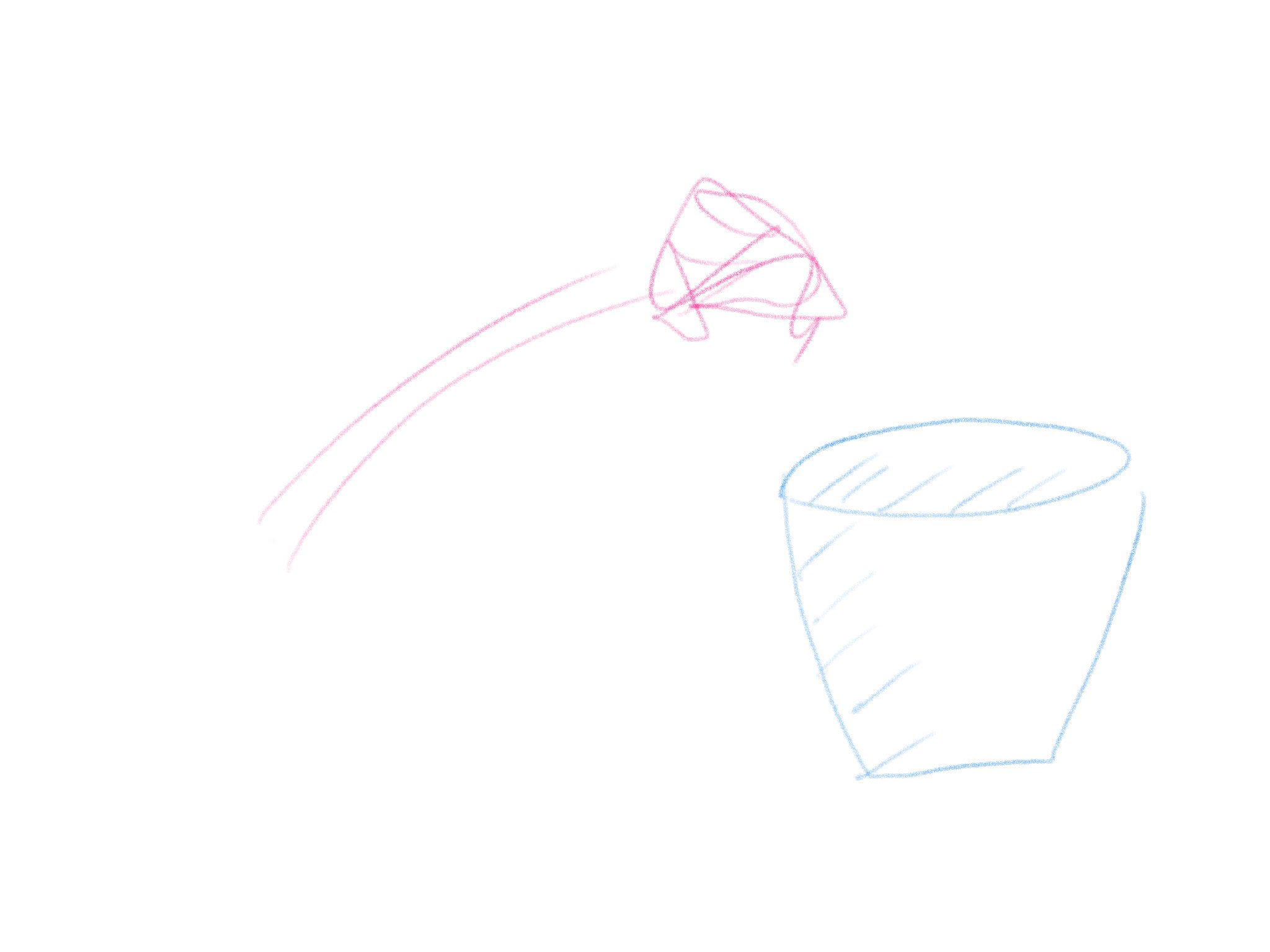
Students answer questions in teams. A correct answer earns a shot at the "basket" (a bin at the front of the room), worth extra points if successful. Teams compete to score the most points across a set of revision questions
On the Bus
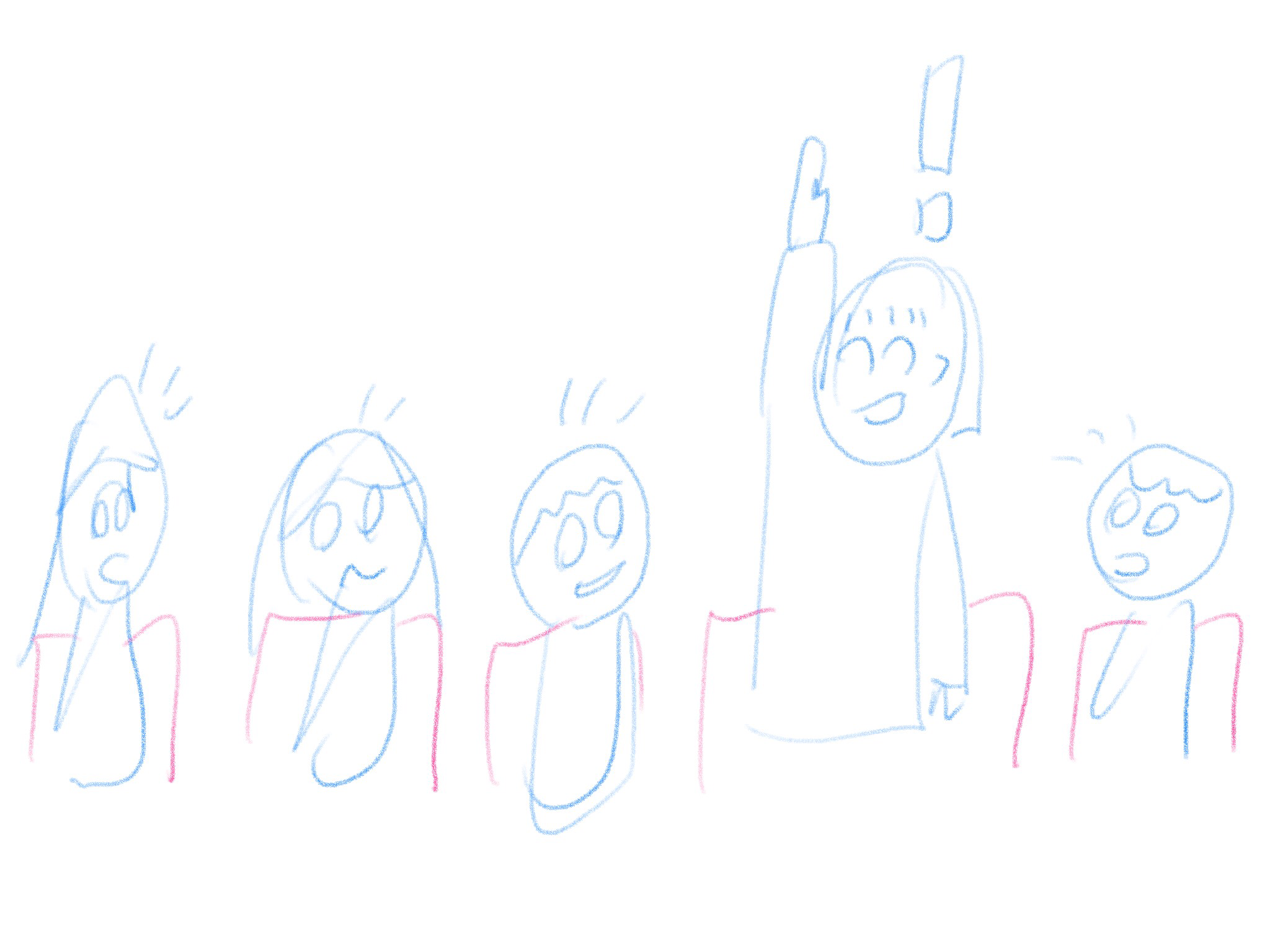
Students sit in rows acting as "bus seats." The student at the front of each row is asked a question. If they know the answer they stand up and answer. If they get it correct they get a kilometer/mile for their bus, then they move to the back of the row and everyone shuffles forward. The goal is to go the furthest or reach a destination by the end of the allocated time.
Kaboom!
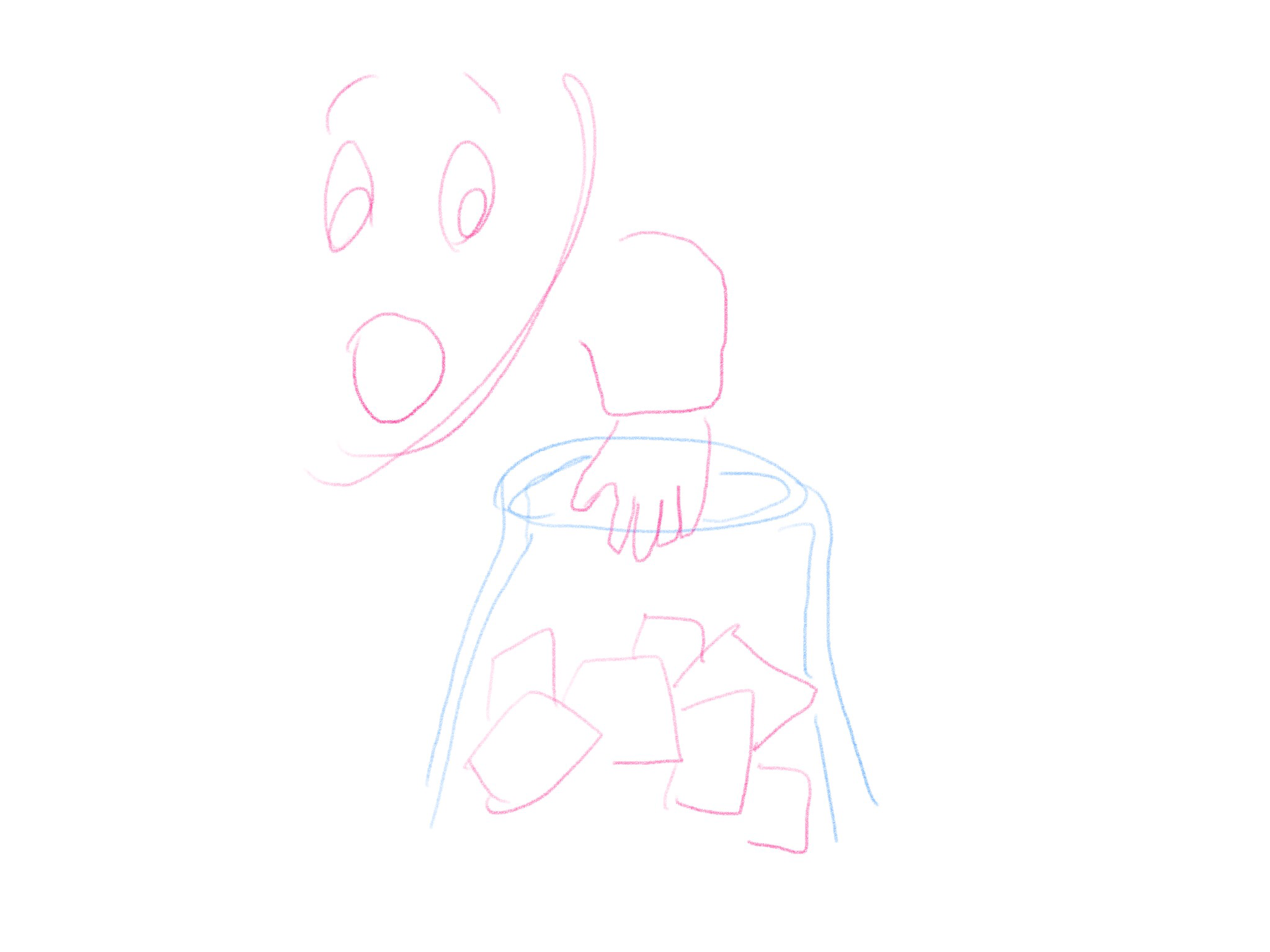
Cut up small pieces of paper (or have them on hand). Students write questions related to topic/story in either L1 or L2 and give them to the teacher for checking. Mixed in are a few "KABOOM!" cards. Students take turns drawing answering. Correct answers mean they keep the question. Drawing KABOOM means they return all their paper to the pot. Most paper at the end wins.
Reading Activities
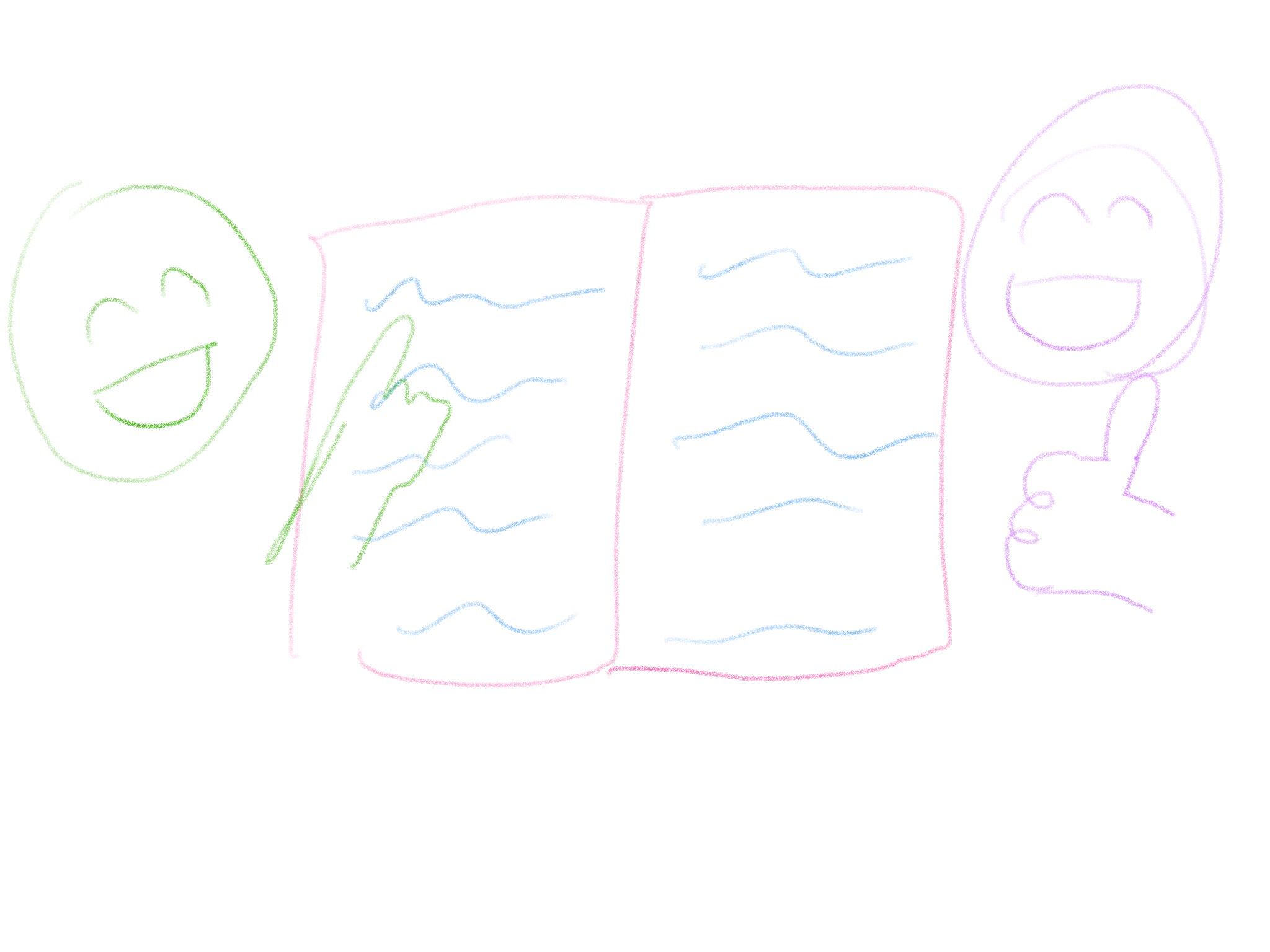
Parallel Reading
A mentor and student sit side by side and read the same passage aloud together in unison. The student can signal at any point to read independently, and signal again when they want the mentor to rejoin. If the student hesitates on a word, the mentor waits a few seconds before modelling it and continuing together.
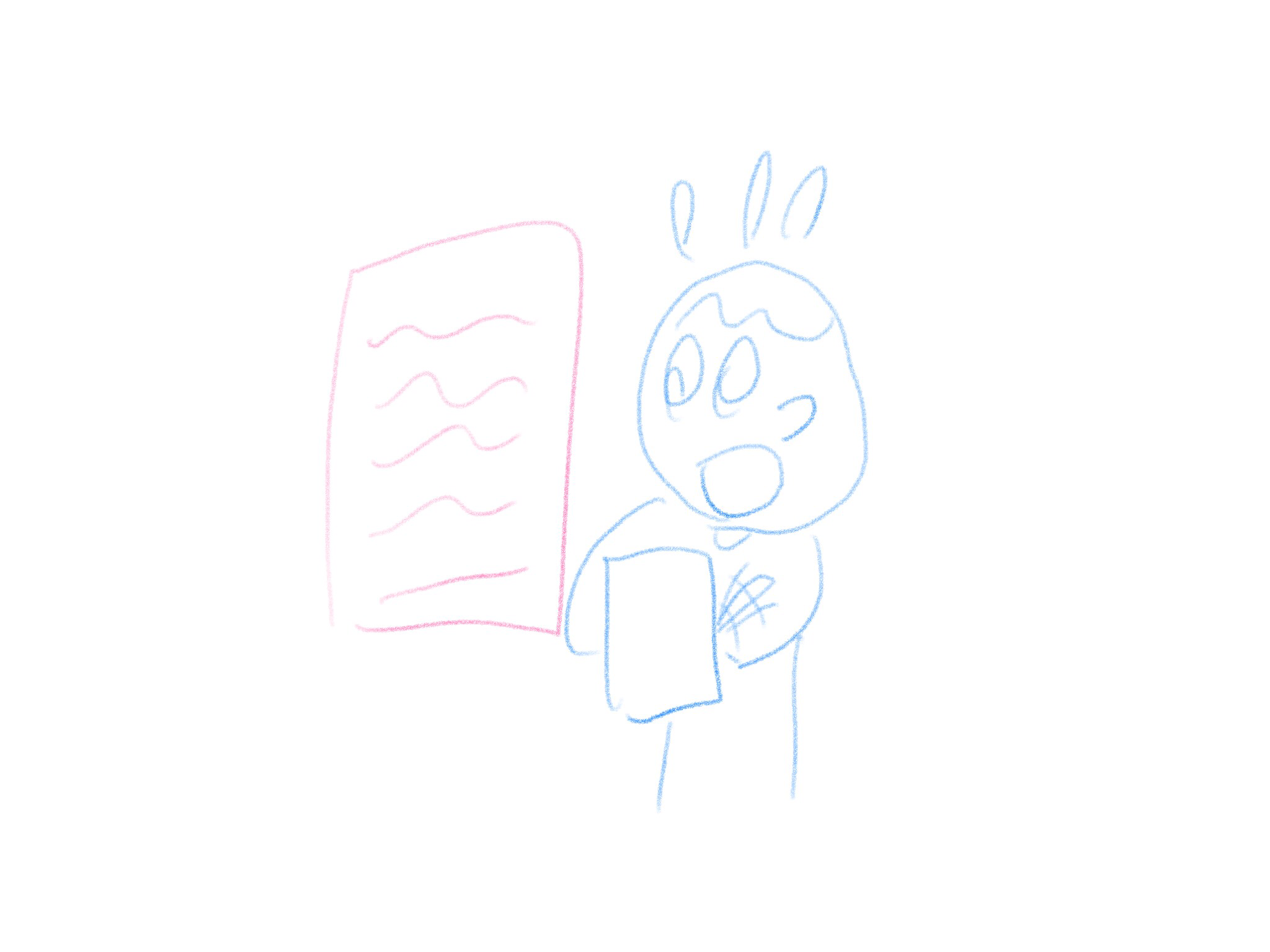
Running Dictation
A text is posted on the wall outside the classroom (or around the room). One student runs, reads as much as they can, then returns and dictates it to their partner who writes it down. They alternate until the full text is reproduced. Fast-paced and naturally scaffolded by the text itself.
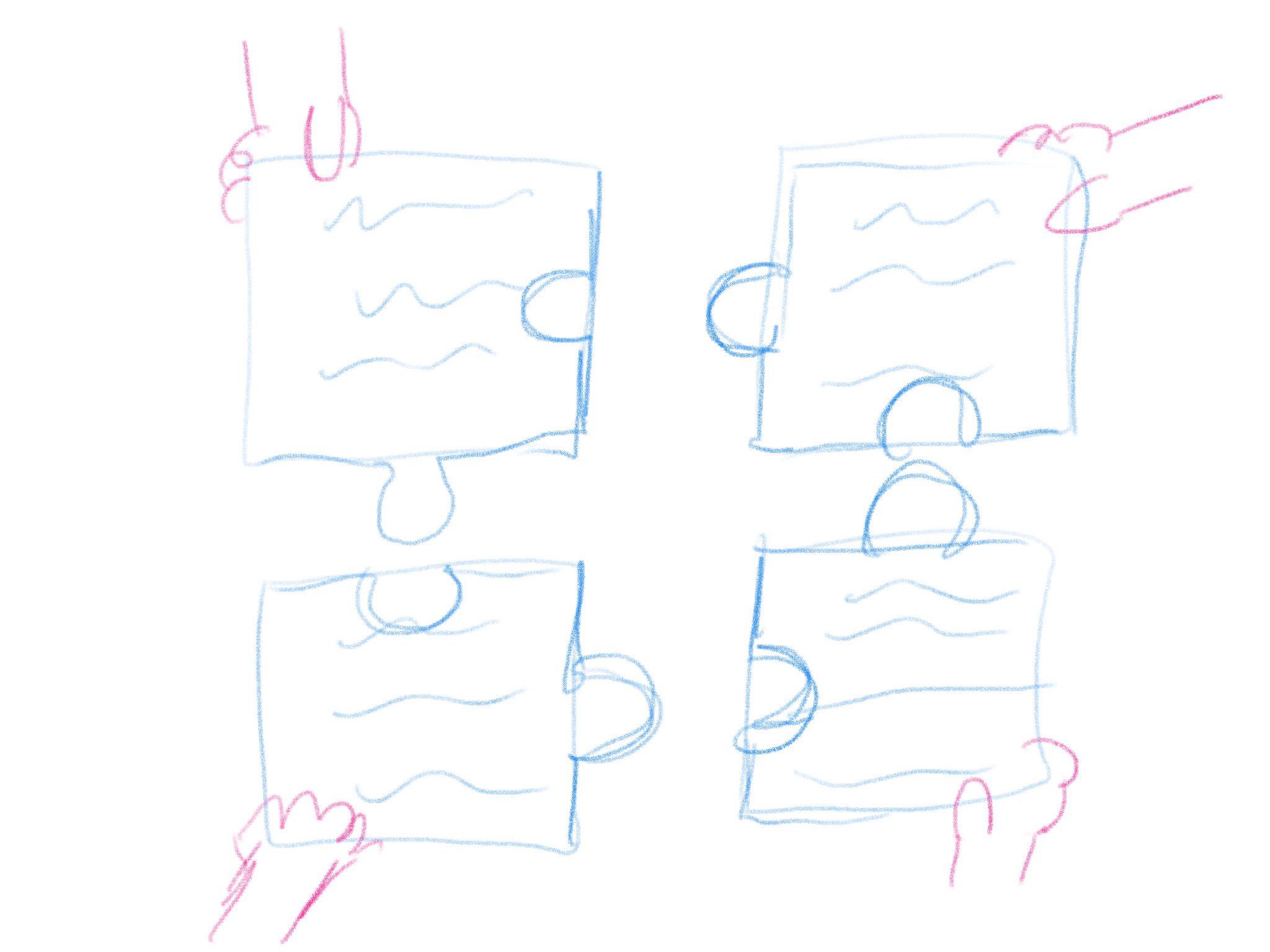
Jigsaw Reading
Different groups read different sections of a longer text. Each group becomes the "expert" on their section, then regroups so each new group contains one expert from every section. Students teach each other what they read, building a complete picture together.
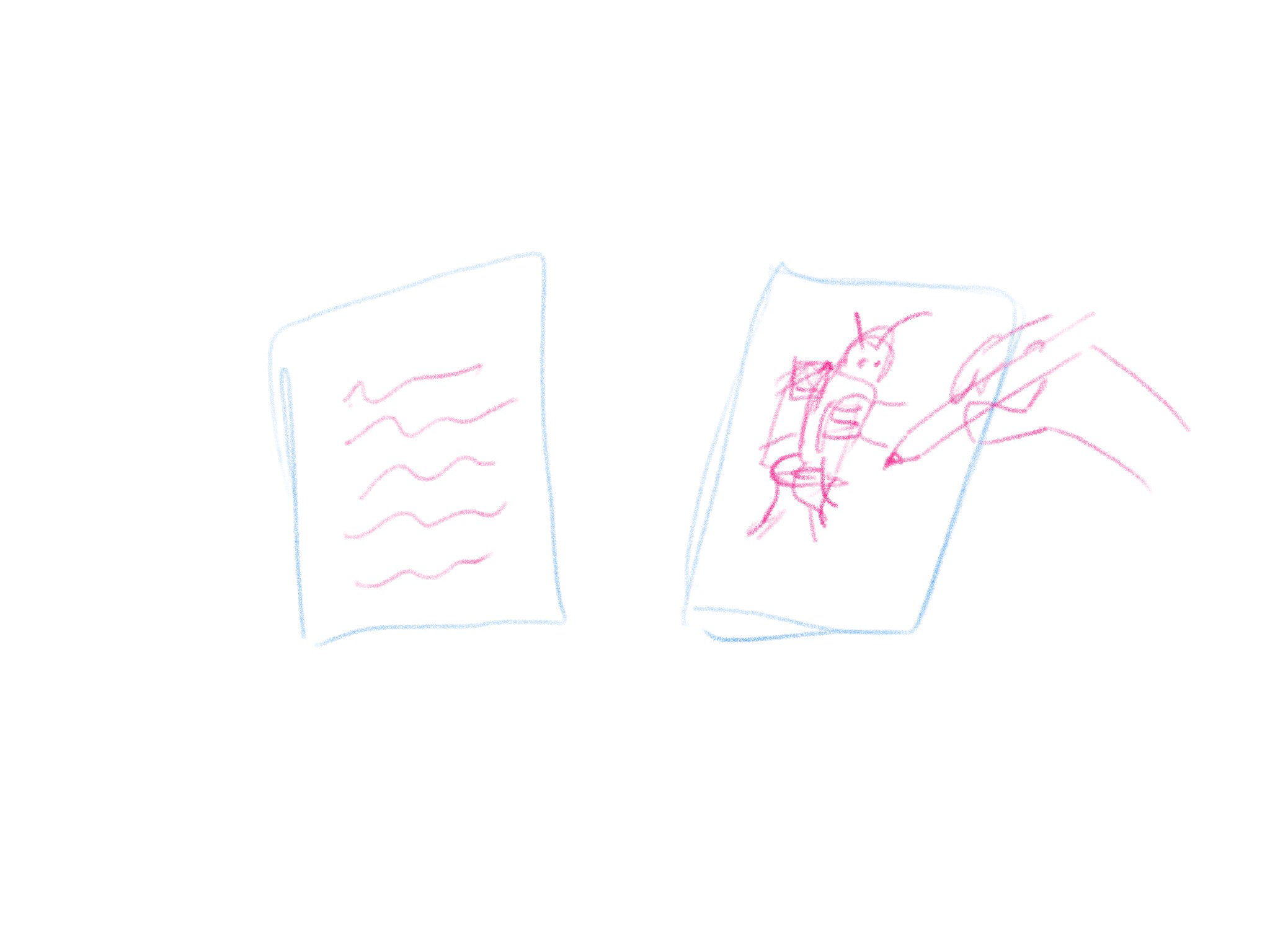
Read and Draw
Students read a short descriptive passage in the target language and draw exactly what it describes, like a scene, a character, a map. Illustrations are compared and discussed. Differences reveal misread words and make comprehension gaps visible without the anxiety of a quiz.